Web app development,
front to back
React and Next.js frontends, typed backends, a real data model, auth, payments, and a deployment you own — shipped to production.
Included
What a web app build covers
Frontend
React and Next.js with TypeScript and Tailwind CSS. Mobile-first, accessible, and fast on first load rather than only on a developer's laptop.
 Next.js
 React
React
 TypeScript
Backend and APIs
Typed endpoints, validation at the boundary, background jobs where work should not block a request, and errors that surface instead of disappearing.
 Node.js
 Python
Database and data modelling
The part that is expensive to get wrong. A schema designed for how the product will actually be queried, with migrations from day one.
 PostgreSQL
 Supabase
 Drizzle
Auth and permissions
Sign in, sessions, roles, and access rules enforced in the database rather than assumed by the frontend.
Payments
Stripe for one-off payments or subscriptions, with webhooks handled so your data and Stripe stay in agreement.
 Stripe
Webhooks
Stripe
Webhooks
Deployment and CI
Production deployment on your own domain, with previews for review, error tracking, and analytics configured before launch rather than after.
Want to see it before you commit?
Share your idea and we'll build a mockup first — so you see exactly what you're getting before any commitment. We'll flag quick technical or SEO wins along the way.
Process
How a web app build runs
Discovery
We map your goal, users, and constraints, then scope a focused first version and recommend the right architecture.
Design
UX flows and a clean interface, plus the system and data design, before a line of production code is written.
Build
Full-stack development with well-structured, maintainable code across frontend, APIs, and data.
Launch and Iterate
Deploy to production, measure, and improve. We stay on as a long-term partner when it proves out.
Stack
What we build web apps on
Frontend
React
Next.js
TypeScript
 Tailwind CSS
 shadcn/ui
React Native
shadcn/ui
React Native
 Expo
Expo
Curious what this costs? See our development cost guide.
Backend and data
Node.js
Python
Supabase
PostgreSQL
 MongoDB
 SQLite
Drizzle ORM
Stripe
SQLite
Drizzle ORM
Stripe
AI and automation
 OpenAI
 Claude
 LangChain
Embeddings
Vector search
LangChain
Embeddings
Vector search
 n8n
EAS Build
n8n
EAS Build
Proof
Web work we have shipped
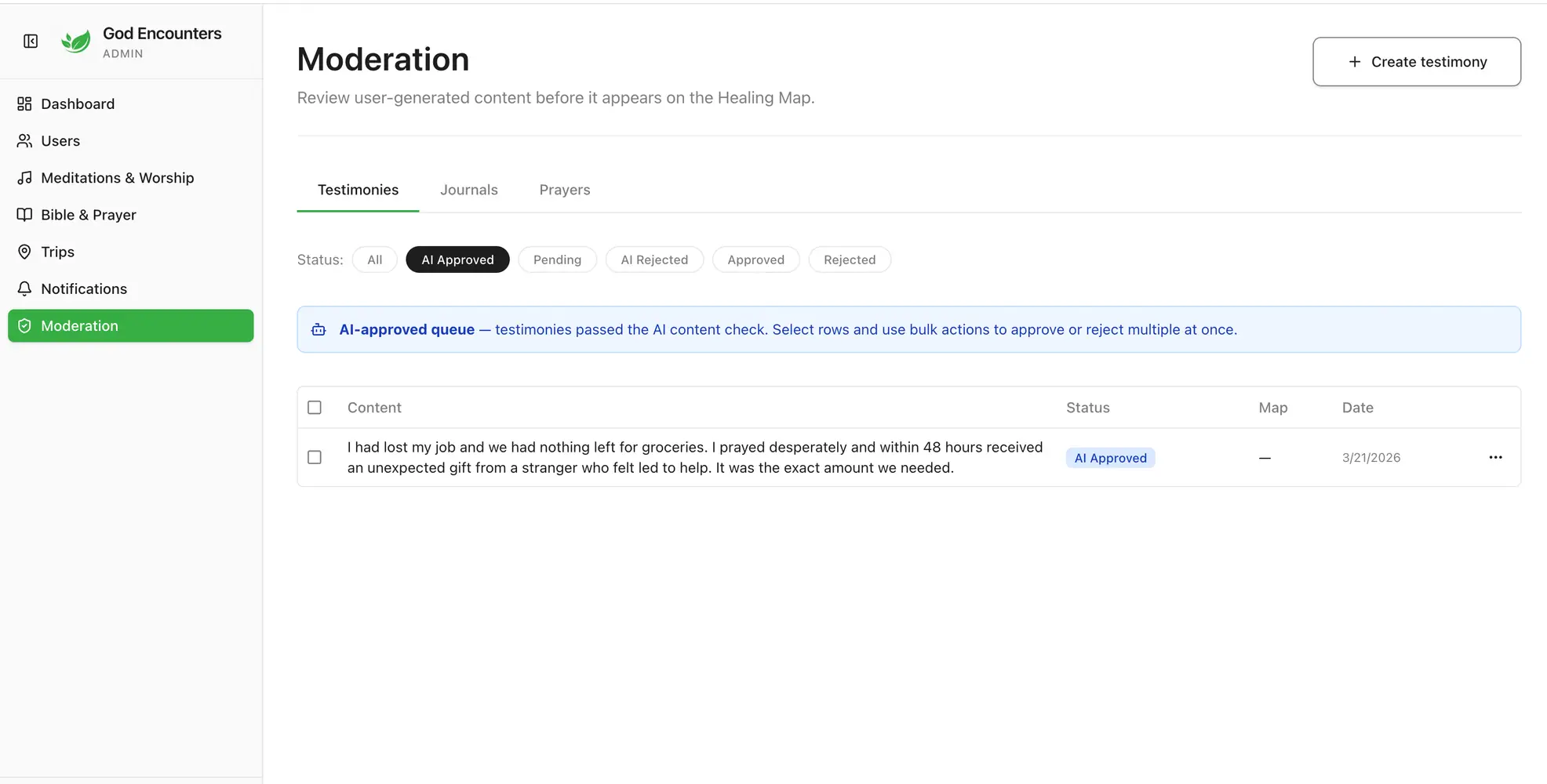
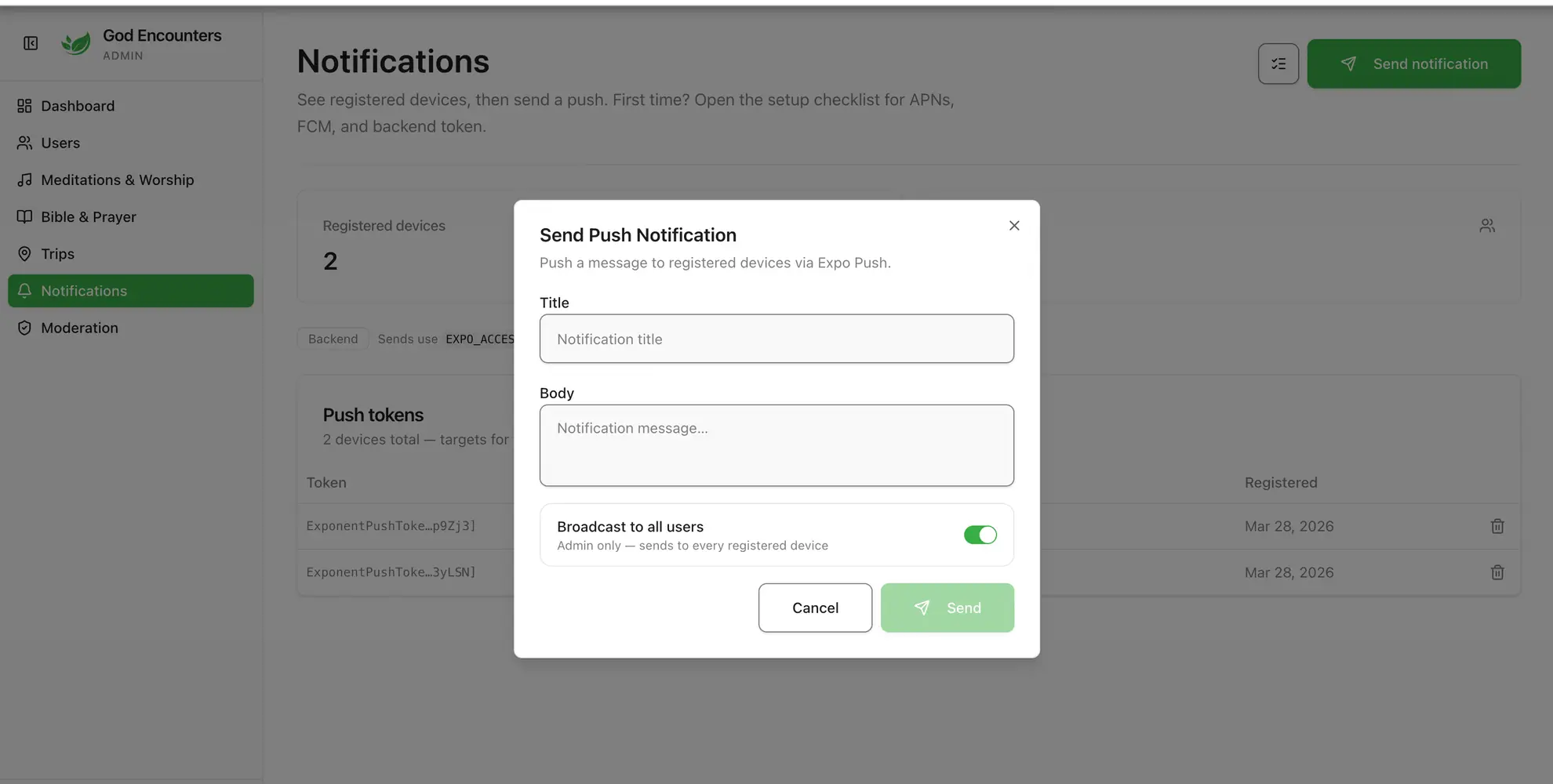
God Encounters dashboard
An admin dashboard and website alongside the mobile app, with AI moderation of user-submitted content.
Read the case studyA multi-agent sales platform
A web platform that sells across chat channels, with human-in-the-loop handoff and full conversation visibility.
Read the case studyFAQ
Web app development, answered
What is the difference between a website and a web app?
A website presents information; a web app does work. If users sign in, data changes because of what they do, and the thing has state that persists between visits, it is an application. The practical difference is everything underneath: a data model, permissions, a backend, and a deployment story. If you only need to present information well, a custom website is the cheaper and better answer.
What stack do you use, and why?
React and Next.js with TypeScript on the frontend, Tailwind CSS for styling, Node.js or Python on the backend, and PostgreSQL through Supabase or a managed instance for data, with Stripe when payments are involved. The reasoning is deliberately unexciting: these are well-documented tools with large hiring pools, so the product stays maintainable by someone other than us.
Next.js or plain React?
Next.js when the app has pages that should be fast on first load or need to be found in search, which is most products with a public surface. Plain React behind a login is perfectly reasonable for an internal tool or a dashboard nobody needs to discover. It is a decision worth five minutes at the start, not a religious position.
Can you work on an existing codebase?
Yes. We read it first and give you an honest assessment: what is solid, what needs shoring up, and whether any part is cheaper to rebuild than to untangle. You will get that assessment even when it is not the answer that wins us the larger project.
Do you handle hosting, domains, and deployment?
Yes. The app is deployed to production on your own domain, with the hosting and service accounts in your name rather than ours.
Will a web app work on phones?
Yes. Everything is built mobile-first and responsive, because that is where most traffic arrives. If your product needs the camera, push notifications, offline use, or a store presence, that is the point where a React Native mobile app becomes the right call instead.
Can a web app be good for SEO?
Yes, when the pages that need to be found are rendered on the server rather than assembled in the browser. Next.js handles that, along with correct canonical URLs, a current sitemap, and structured data. Pages behind a login do not need any of it.
See it in production
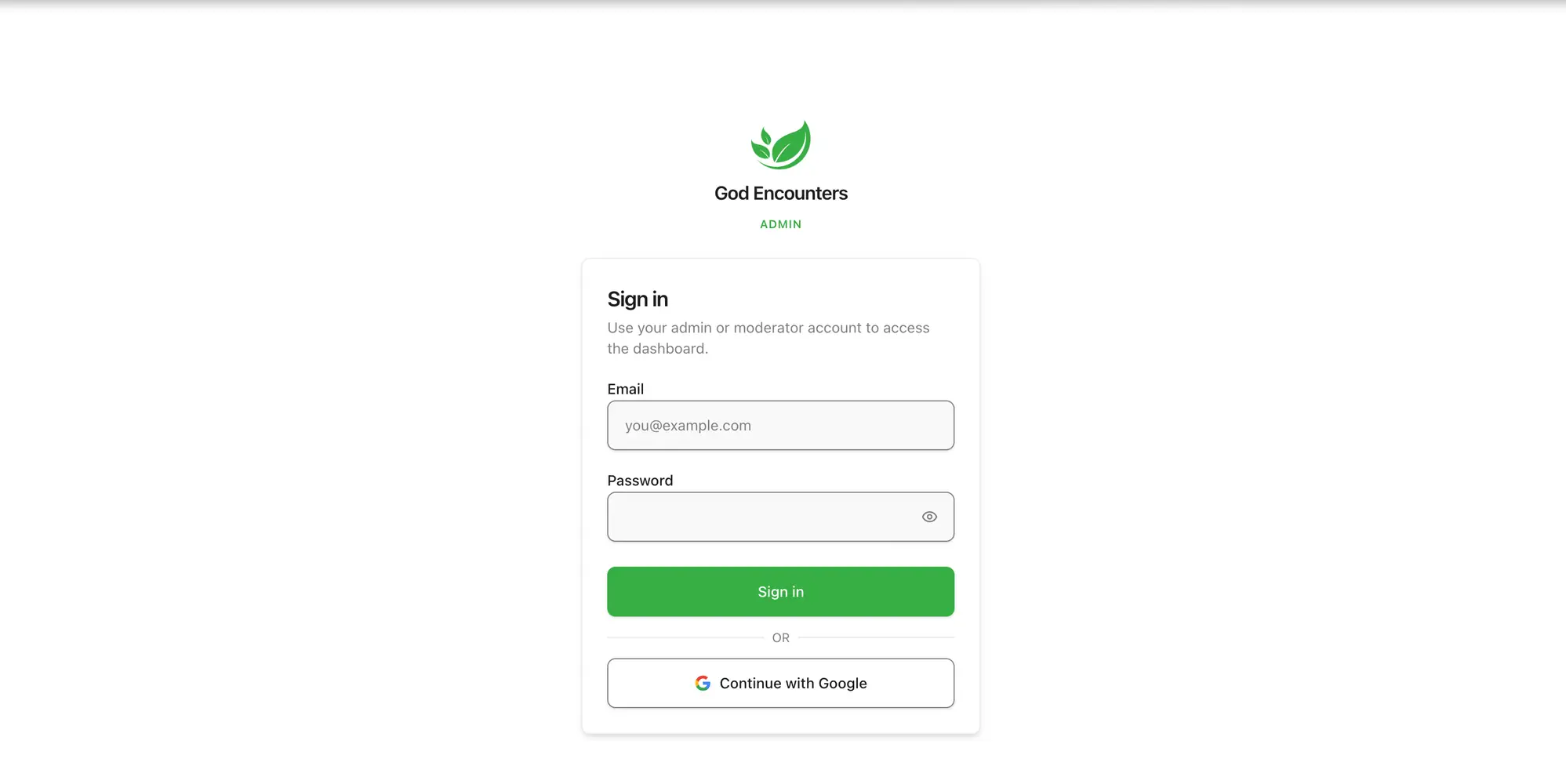
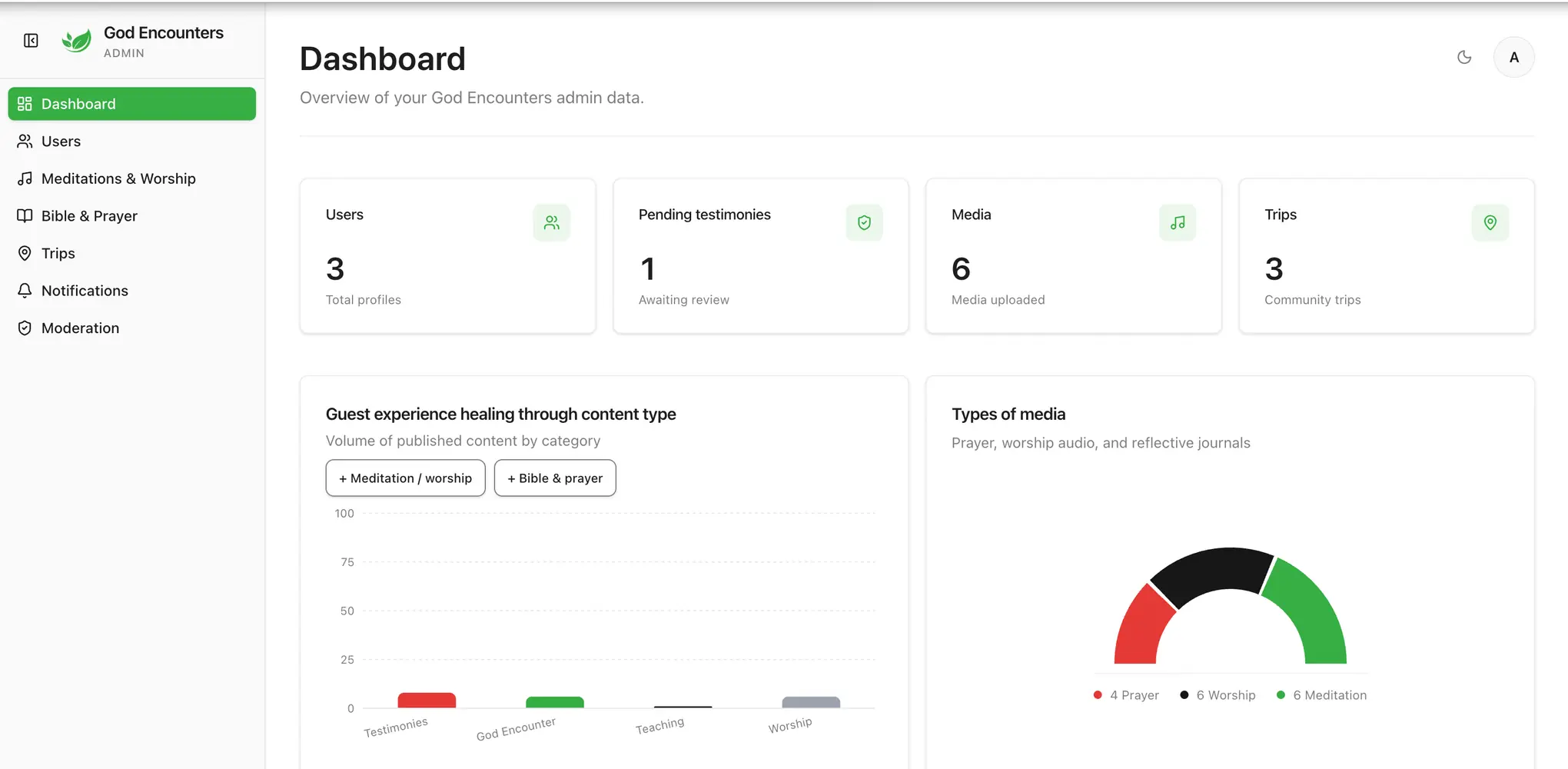
God Encounters: the admin and moderation dashboard
Real screens from God Encounters, a product we built end to end. Read the case study →
Need a web app built?
Tell us what it has to do. We will help you scope it, recommend an architecture, and give you a realistic timeline.
Or email us directly at [email protected]