Wellness products people
trust with something personal
AI companions, journaling and mood tracking, community and testimonies, moderation dashboards, and subscriptions — built with the care sensitive personal data actually needs.
Wellness app development, in one paragraph
A wellness or mental health product asks users to hand over something personal, a mood, a journal entry, a testimony, which means it has to earn that trust in how it's built, not just in what it says.
That means private-by-default storage, an AI companion powered by OpenAI or Claude that feels like conversation, a moderation layer for anything user-submitted, and a mobile app paired with an admin dashboard the team can run day to day.
 React Native
 OpenAI
 Claude
 PostgreSQL
 Stripe
Want to see it before you commit?
Share your idea and we'll build a mockup first — so you see exactly what you're getting before any commitment. We'll flag quick technical or SEO wins along the way.
Included
What a wellness app build covers
AI companion & conversational UX
Guided check-ins and reflective conversation backed by a streaming chat API, scoped narrowly so it reads as supportive, not clinical.
Journaling & mood tracking
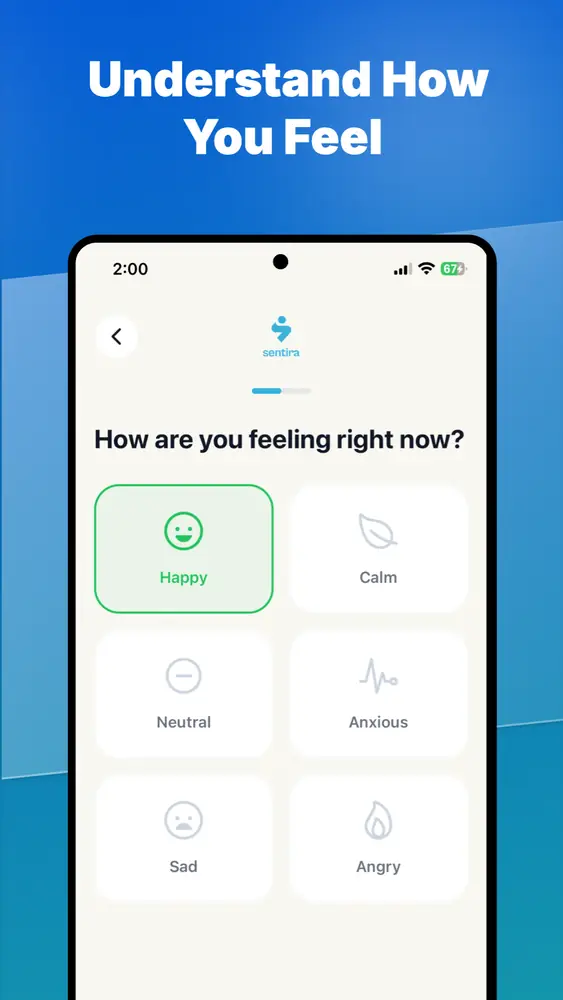
Rich journal entries tied to mood and date, with visual trend history so a habit becomes visible over time.
Community & testimony platforms
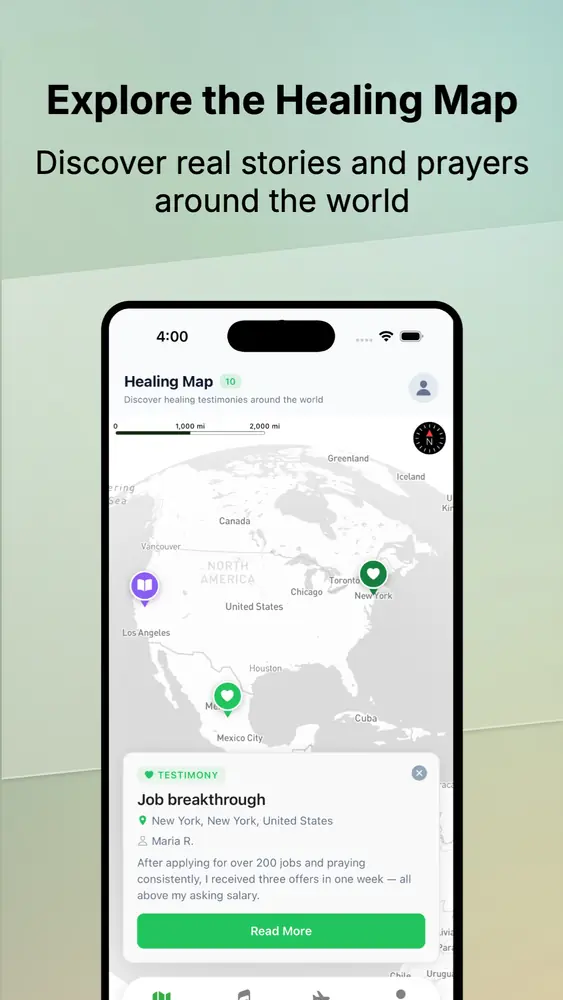
Shared stories, prayers, or check-ins with public/private controls and approximate location handling when content appears on a map.
Moderation & admin dashboards
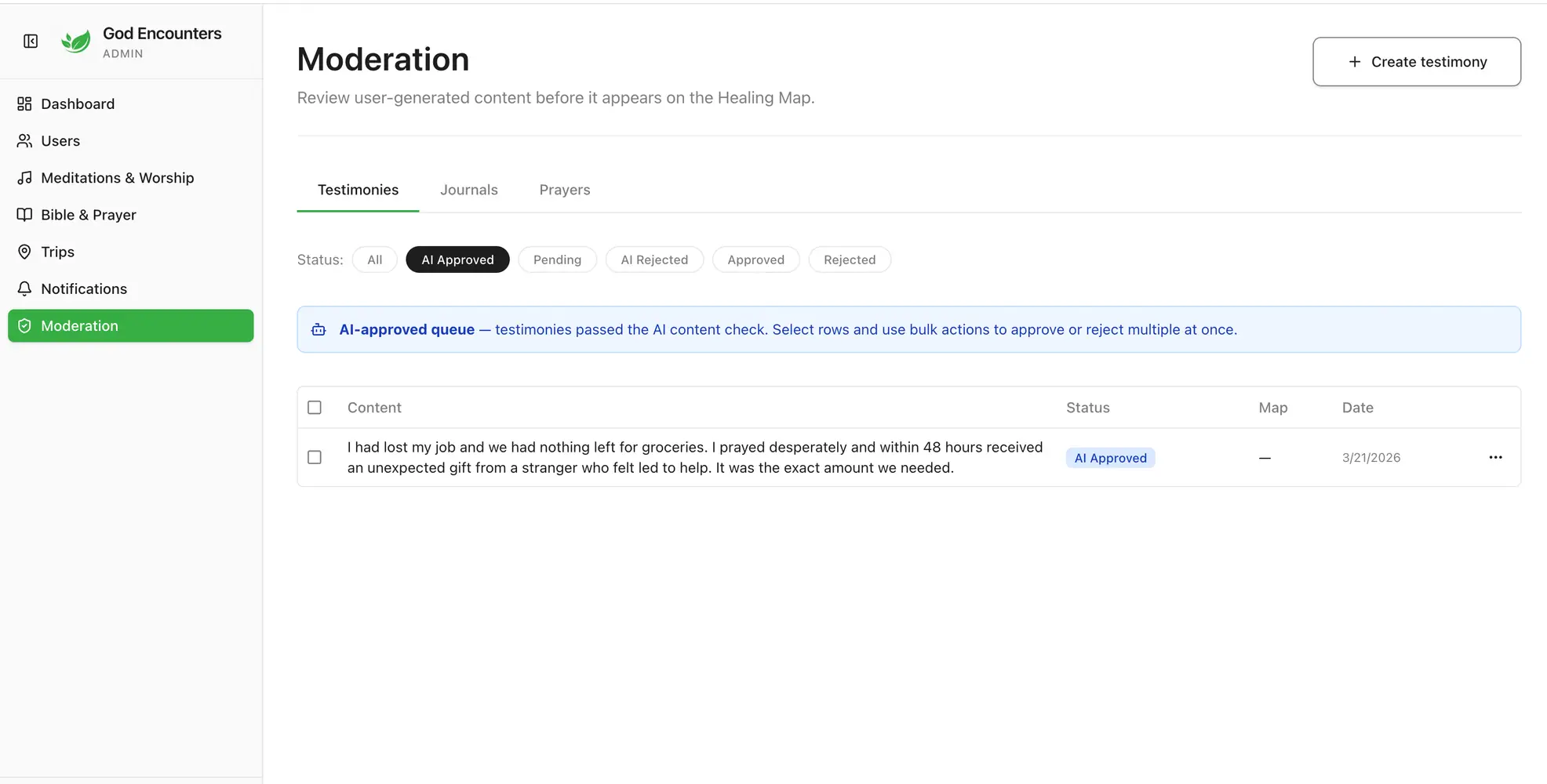
A web dashboard for reviewing submissions, managing content, and sending push notifications — built on the same API the app uses.
Subscription & monetization
Stripe subscriptions with native Apple Pay and Google Pay, a custom paywall, and webhook-driven entitlements.
 Stripe
Paywall
Stripe
Paywall
Privacy & sensitive data handling
Private-by-default storage, granular sharing controls, and moderation before anything user-submitted goes public.
Proof
Built by OffLift
Two products we've shipped in this space, not a feature list.
Sentira
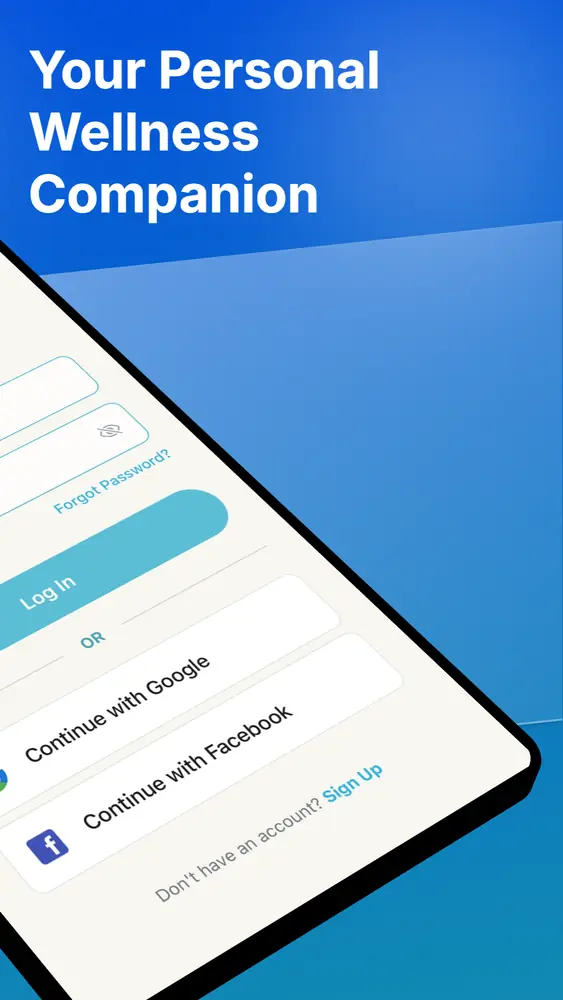
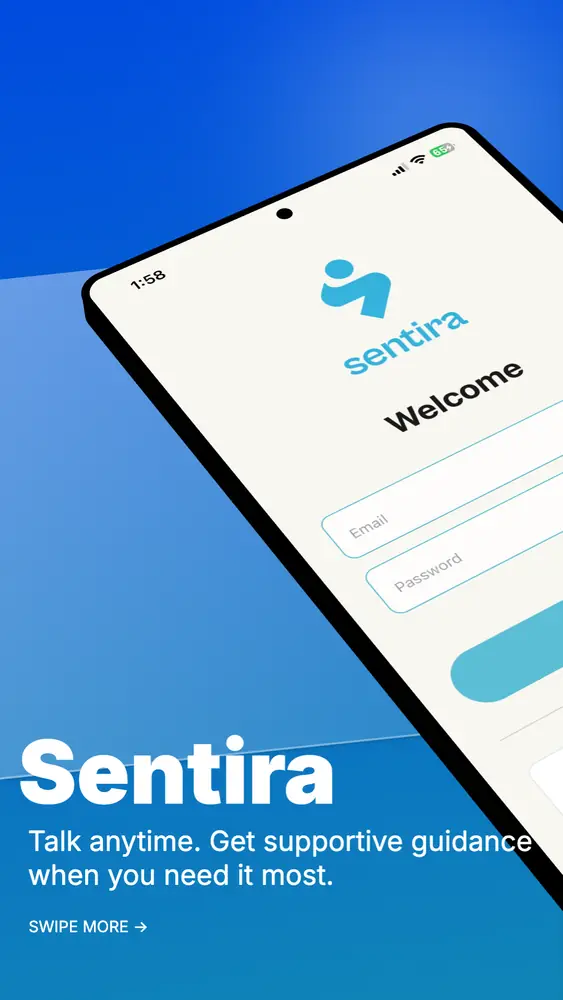
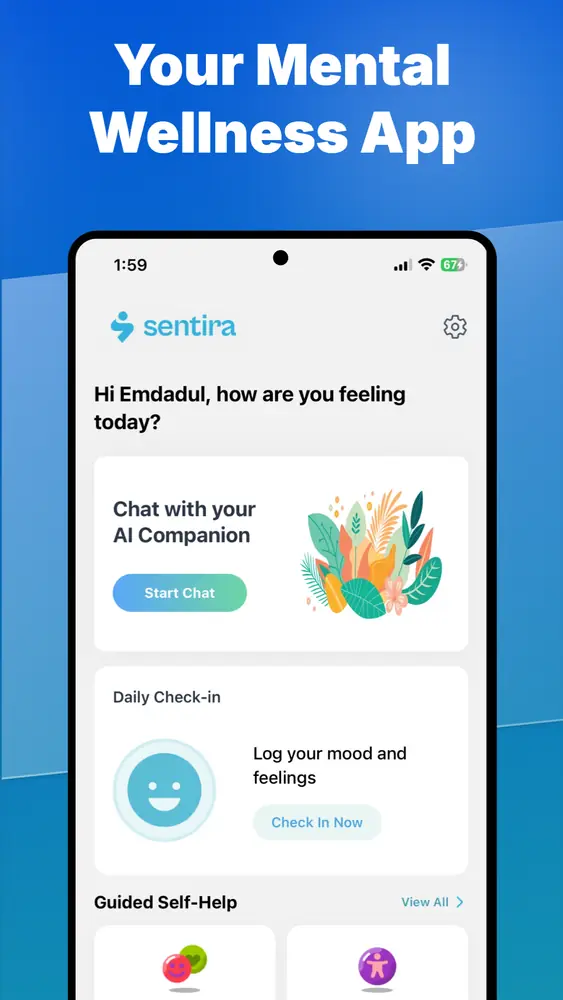
An AI-powered mental wellness app for iOS and Android: daily journaling, mood tracking, guided check-ins, and an AI chat companion, backed by Stripe subscriptions with native Apple Pay and Google Pay.
 React Native
AI Chat Companion
Subscriptions
React Native
AI Chat Companion
Subscriptions
God Encounters
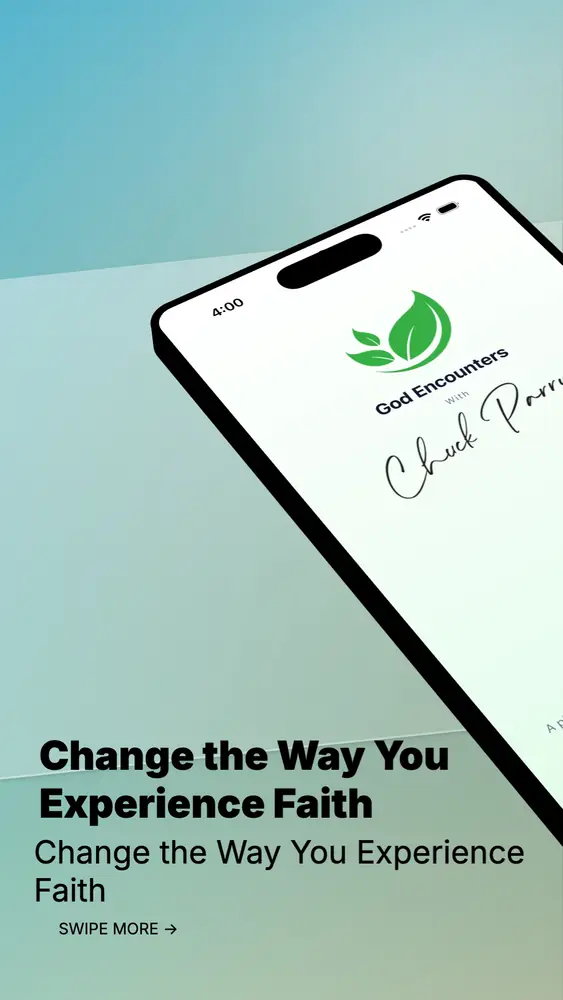
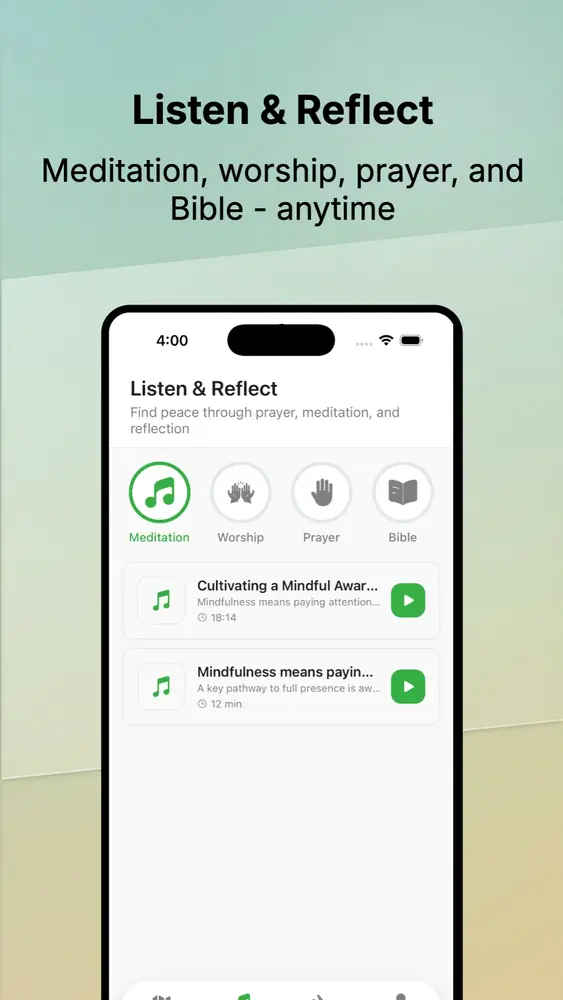
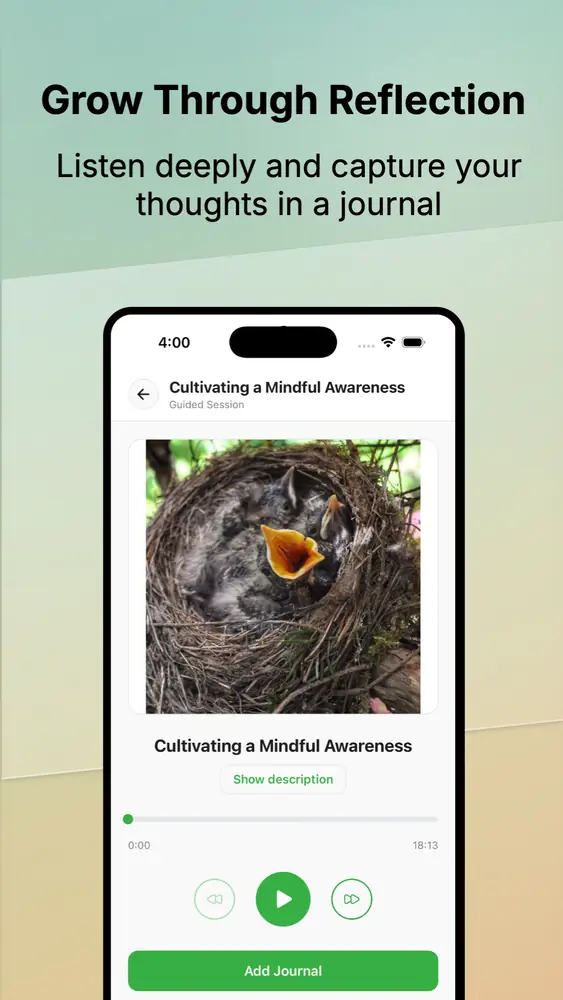
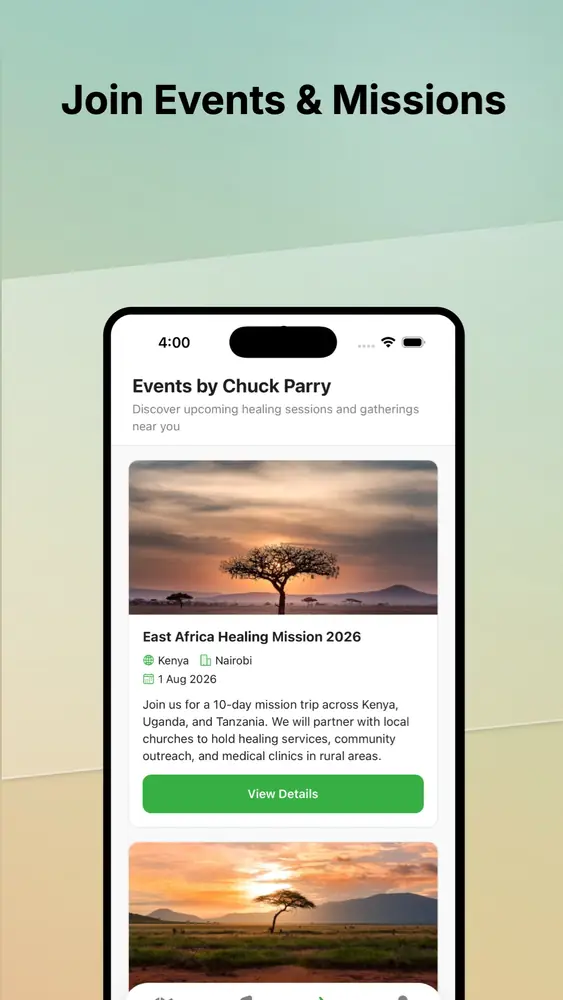
A spiritual wellness platform pairing a native mobile app — healing testimonies, guided audio, journals and prayers, a healing map — with a web moderator/admin dashboard for content, moderation, and push notifications.
Process
How a wellness app build runs
Discovery
We map the core loop, what data is sensitive, and which surfaces you need on day one — app only, or app plus dashboard.
Design
UX for a product people use in private moments, plus data design for privacy and sharing controls, before any production code.
Build
Mobile app, AI companion features, and admin/moderation dashboard where needed, sharing one typed API.
Launch and Iterate
Ship to the App Store and Google Play, measure the core loop, and improve. We stay on as a long-term partner when it proves out.
Stack
What we build wellness apps on
Mobile & frontend
React Native
 Expo
Expo
 TypeScript
NativeWind
React
EAS Build
TypeScript
NativeWind
React
EAS Build
Curious what this costs? See our development cost guide.
Backend & data
 Node.js
 Supabase
 PostgreSQL
Stripe
Push Notifications
PostgreSQL
Stripe
Push Notifications
AI
 OpenAI
Google Gemini
Streaming Chat
AI-Assisted Moderation
OpenAI
Google Gemini
Streaming Chat
AI-Assisted Moderation
FAQ
Wellness app development, answered
What makes a wellness or mental health app different from a typical app to build?
The data is personal in a way most apps' data isn't — journal entries, mood history, testimonies, prayer requests. That changes how you design storage, sharing defaults, and moderation from day one, not as an afterthought. It also changes tone: an AI companion or a check-in flow has to read as supportive, not clinical or scripted.
How do you handle sensitive personal data like journals, mood logs, or testimonies?
Private by default, with explicit, granular controls when a user chooses to share something publicly or on a map. Location and identity fields stay approximate unless a user opts in to more. Moderation queues exist so user-submitted content is reviewed before it's visible to others, not published blind.
Can you build both the mobile app and an admin or moderation dashboard?
Yes — that pairing is the normal shape of a wellness or community product: a mobile app for the people using it, and a web dashboard for the team managing content, moderation queues, and push notifications, both built on one shared API.
How do you make an AI companion feel supportive instead of clinical or creepy?
Mostly through constraints, not cleverness: a narrow, well-defined role for the AI (guided reflection, check-ins), streaming responses so it feels like a conversation rather than a form, and clear framing to users about what the AI is and isn't. It's a companion feature inside a product, not a chatbot bolted onto one.
How do you handle subscriptions for a wellness app?
Stripe-powered subscriptions with native Apple Pay and Google Pay support, a paywall that doesn't fight the App Store and Play Store review guidelines, and webhook-driven entitlements so access updates the moment a payment succeeds, fails, or a plan changes.
How long does it take to build a mental wellness or wellness-community app?
We commit to a timeline after discovery, once we know which surfaces you need on day one — just the mobile app, or the app plus an admin dashboard, or an AI companion feature on top. A focused first version with one core loop ships faster than one trying to launch every feature at once.
Have you built products in this space before?
Yes. We built Sentira, an AI-powered mental wellness app with daily journaling, mood tracking, guided check-ins, an AI chat companion, and Stripe subscriptions. We also built God Encounters, a spiritual wellness platform with a mobile app for testimonies, guided audio, and a healing map, paired with a web dashboard for moderation and content management.
What stack do you build wellness apps on?
React Native with Expo for mobile, a typed Node.js backend, PostgreSQL through Supabase, Stripe for subscriptions, and — when a web dashboard is needed — React with a typed API layer shared with the mobile app.
See it in production
Sentira and God Encounters, in the wild
Real screens from two wellness products we built end to end. Sentira case study → God Encounters case study →
Building a wellness or health product?
Tell us the core loop and what data users are trusting you with. We'll help you scope a version that respects both.
Or email us directly at [email protected]