MVP development that
actually reaches users
One core flow, built properly, launched, and instrumented — on a codebase that keeps going after launch instead of being thrown away.
Proof
First versions we have shipped
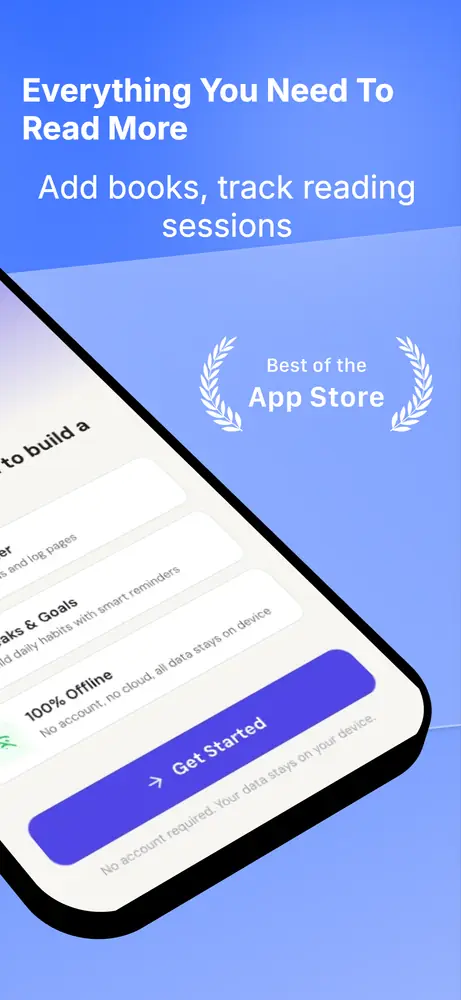
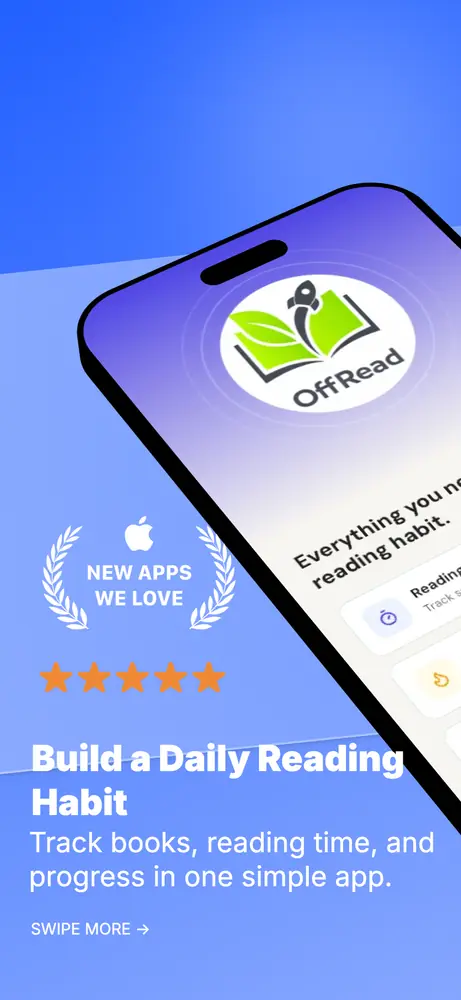
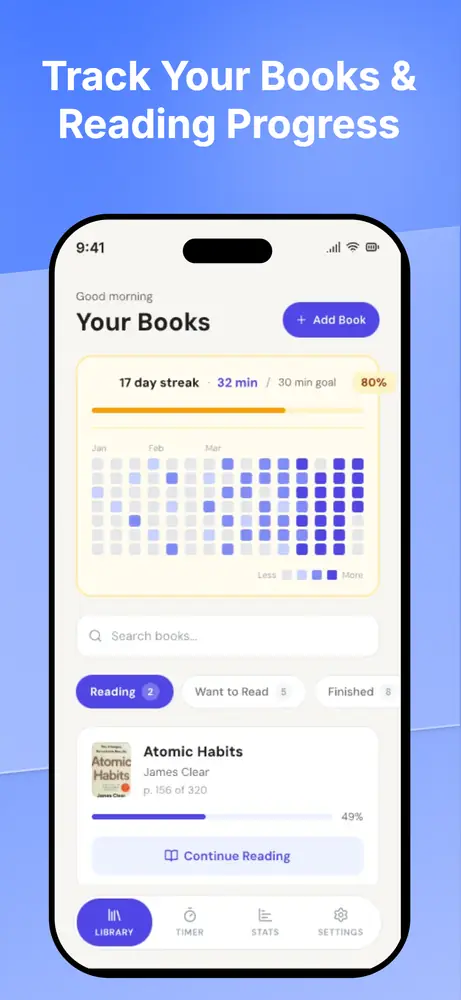
OffRead
An offline-first reading app for iOS and Android, with a custom PDF renderer, SQLite, and Drizzle ORM.
Read the case study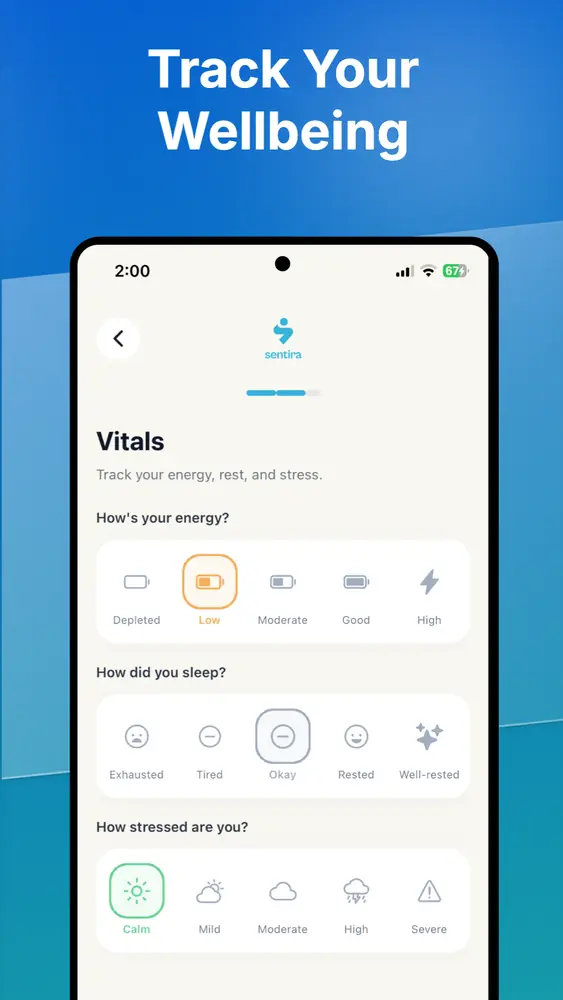
Sentira
An AI mental wellness app: journaling, mood tracking, streaming chat, and Stripe subscriptions.
Read the case study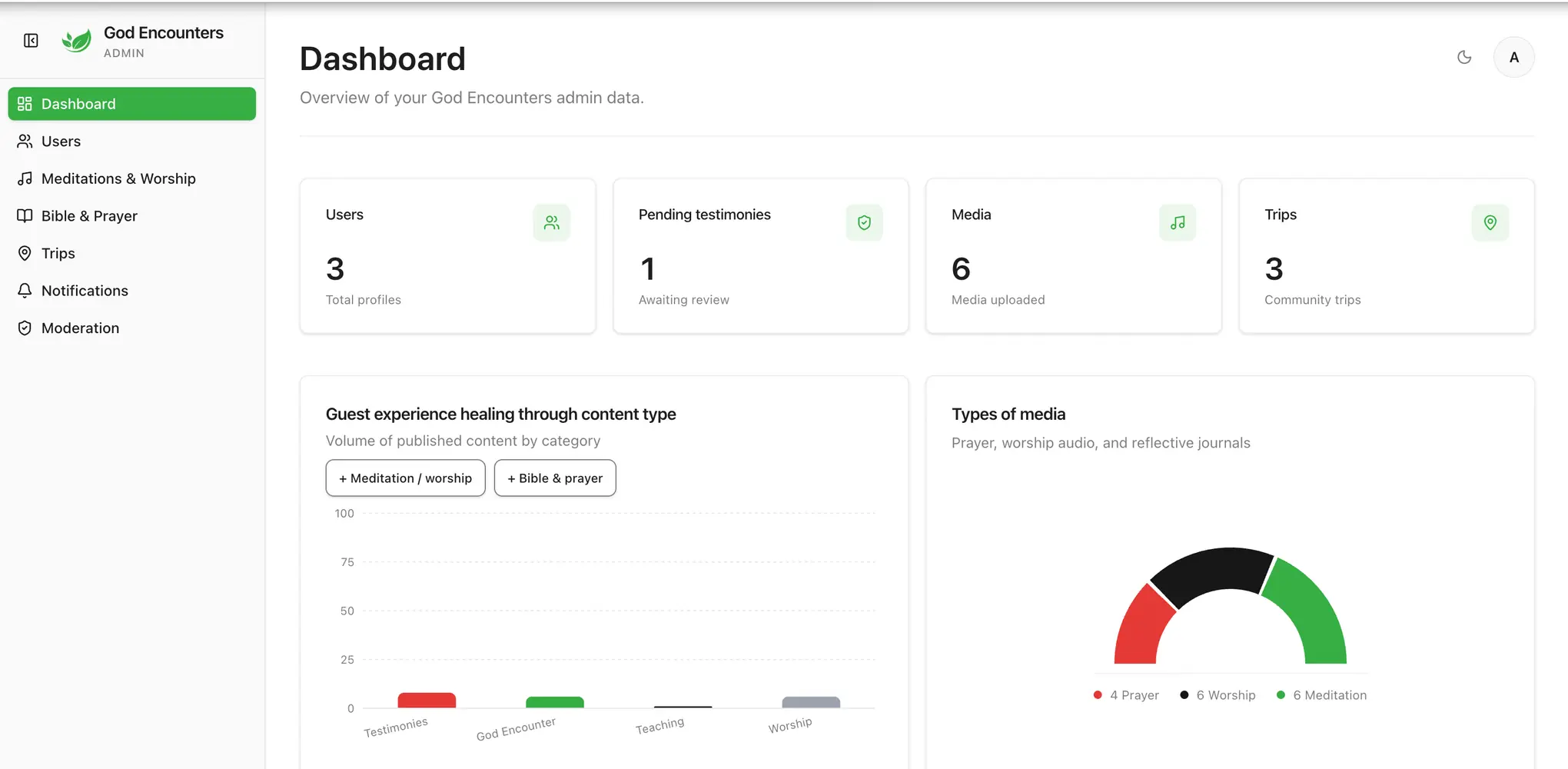
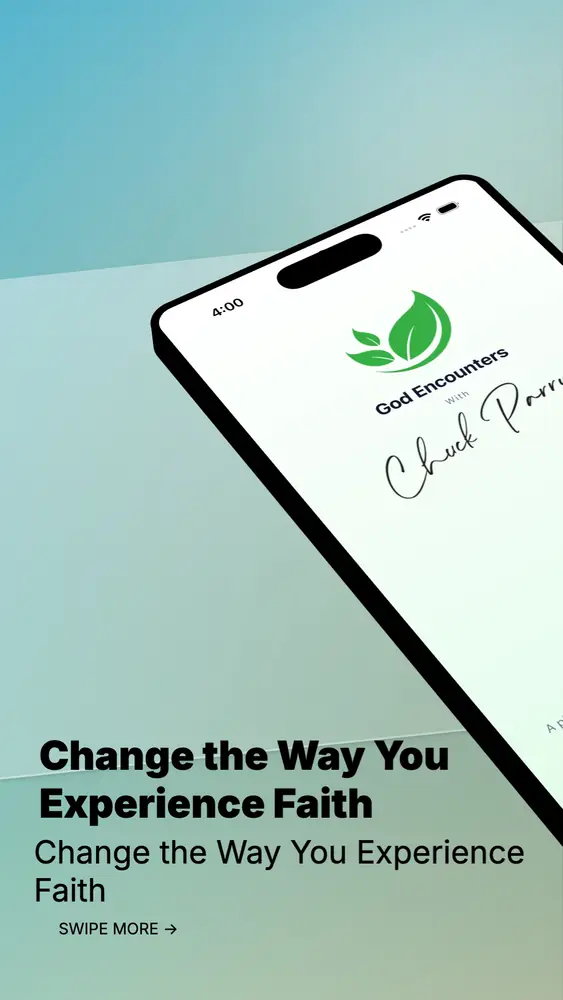
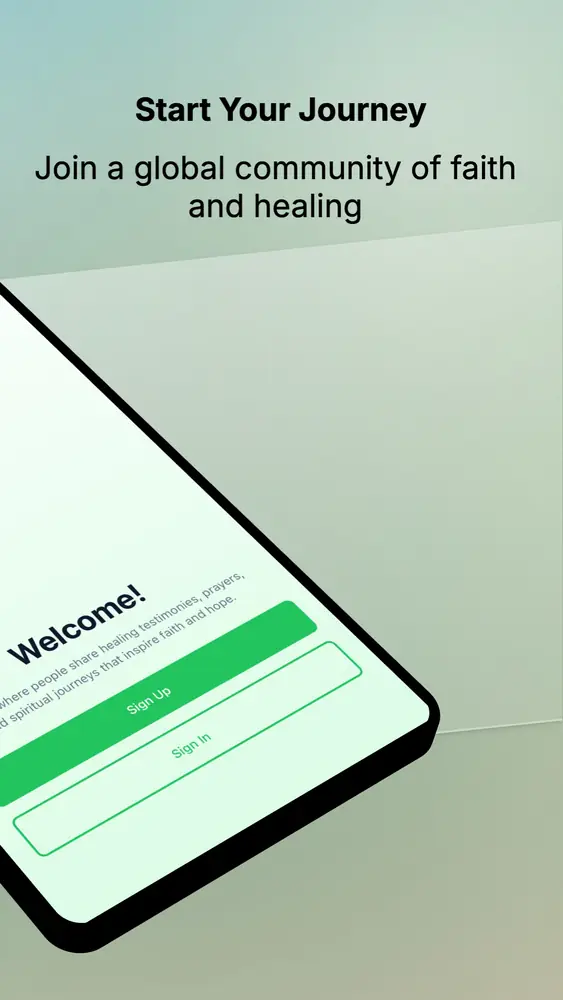
God Encounters
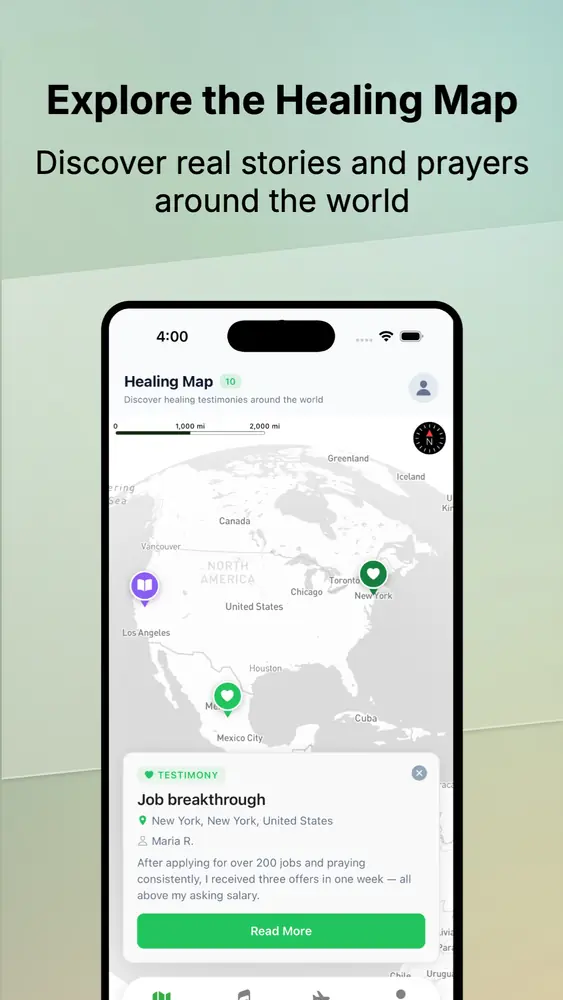
A community platform with a mobile app, dashboard, and website, using maps, audio, and AI moderation.
Read the case studyWant to see it before you commit?
Share your idea and we'll build a mockup first — so you see exactly what you're getting before any commitment. We'll flag quick technical or SEO wins along the way.
Included
What an MVP build covers
Scoping the core flow
The hardest and most valuable part. We work out the single path a user takes to get value, and we cut everything that does not serve it.
Product design
UX flows and a clean, credible interface. Your first version should not look like a first version.
The build
A web app in React and Next.js, or a mobile app in React Native for iOS and Android from a single codebase.
 Next.js
 React Native
The production plumbing
Accounts and auth, a real database and data model, file storage, and Stripe payments when the product charges for something.
 Supabase
 Stripe
Auth
Stripe
Auth
Launch
Deployed to production on your own domain or submitted to the App Store and Google Play, with analytics configured so you can see what users do.
What comes after
Launch is the beginning of the useful information. We stay on to iterate on what the data shows when it proves out.
Scope
What belongs in a first version
Almost every MVP that runs late does so because of something in the second list.
Build this now
- ✓Sign up and sign in.
- ✓The one flow your product exists for, working end to end.
- ✓A real database and data model, not hardcoded sample content.
- ✓Payments, if charging is part of the idea.
- ✓Analytics, so launch teaches you something.
- ✓A deployment anyone can reach on a real domain.
This can wait
- ×Multiple user roles and a permissions matrix.
- ×An admin dashboard for customers you do not have yet.
- ×Settings and preference screens nobody has asked for.
- ×A second platform before the first one has users.
- ×Integrations with tools you might adopt later.
- ×Design polish on screens that are not on the core path.
Process
How an MVP build runs
Discovery
We map your goal, users, and constraints, then scope a focused first version and recommend the right architecture.
Design
UX flows and a clean interface, plus the system and data design, before a line of production code is written.
Build
Full-stack development with well-structured, maintainable code across frontend, APIs, and data.
Launch and Iterate
Deploy to production, measure, and improve. We stay on as a long-term partner when it proves out.
Stack
What we build MVPs on
Frontend
React
Next.js
 TypeScript
 Tailwind CSS
 shadcn/ui
React Native
shadcn/ui
React Native
 Expo
Expo
Curious what this costs? See our development cost guide.
Backend and data
 Node.js
 Python
Supabase
Python
Supabase
 PostgreSQL
 MongoDB
 SQLite
 Drizzle ORM
Stripe
Drizzle ORM
Stripe
AI and automation
 OpenAI
 Claude
 LangChain
Embeddings
Vector search
LangChain
Embeddings
Vector search
 n8n
EAS Build
n8n
EAS Build
FAQ
MVP development, answered
What is an MVP, exactly?
A minimum viable product is the smallest version of your product that a real user can complete a real task in, start to finish, without help. It is not a mockup, a clickable prototype, or a feature list with most items greyed out. The test is simple: can somebody who is not you get value out of it today?
How long does it take to build an MVP?
We commit to a timeline after discovery, not before, because a realistic date depends on how much of the product is genuinely required for launch. What shortens it: one clearly defined core flow, one platform first, content and brand assets ready, and one decision maker on your side. What stretches it: multiple user roles on day one, integrations with systems that have slow or undocumented APIs, and scope that grows mid build.
How much does MVP development cost?
We do not publish prices, because the honest answer depends on scope. What we do instead: you tell us what you are building on a 30 minute call, we scope it with you, and then we send a fixed price for that scope in writing. You will know the number before any work starts, and it does not move unless the scope does.
What should my MVP include?
Sign in, the one core flow your product exists for, and a way to pay if payment is part of the idea. Everything else waits. The most common and most expensive mistake is building for the business you hope to be in two years: multiple user roles, an admin dashboard for customers you do not have yet, and settings nobody has asked for.
Will the MVP have to be rebuilt later?
It should not. We build an MVP on the same stack and the same structure the full product would use, so the codebase keeps going after launch. A throwaway prototype is a reasonable thing to want, but it is a different, cheaper piece of work, and we will tell you which one you are actually asking for.
Should I build for web or mobile first?
Web first, unless your product needs something only a phone offers — the camera, push notifications, offline use, or location — or unless your users would only ever reach it from an app. Web is faster to ship, faster to change, and has no app review standing between you and a fix. When you do need mobile, React Native covers iOS and Android from one codebase.
Should I hire an agency, a freelancer, or build an in-house team for an MVP?
For a first version, a freelancer works when the scope is one well-defined piece and you are willing to be the integrator. In-house is the right answer once the product is proven but slow and expensive to assemble before you know what you are building. A small studio gives you one accountable team across design, build, and launch without the payroll commitment. Whoever you pick, ask who maintains it after launch, because that is where most MVPs quietly fall over.
See it in production
Two MVPs, idea to shipped app
OffRead went from zero to production in a single sprint. Read the case study → God Encounters paired a native app with a moderation dashboard. Read that one →
Have an idea to scope?
Tell us what you are building. We will help you cut it down to a first version worth launching, and give you a realistic timeline.
Or email us directly at [email protected]